
Scientific聽expertise聽is increasingly part of conversations shaping federal policy, but most researchers are never trained to engage in that process. This spring, 天美传媒官网 graduate students gained firsthand experience navigating the intersection of science and policymaking in Washington, D.C.
Four Vanderbilt graduate students traveled to Washington, D.C.,聽in April to聽participate聽in the聽聽hosted by the American Association for the Advancement of Science, a聽program supported by聽Vanderbilt鈥檚聽Office of Federal Relations. Through the workshop, students learned how science informs policymaking, and then applied those skills in Vanderbilt-facilitated meetings on Capitol Hill with congressional offices and staff.

Training the next generation of science advocates
During the CASE workshop, the students joined peers from across the country for sessions on science policy, the federal budget process and career pathways in government. The program also covered science communication, giving participants experience translating complex research into clear messages for policymakers and connecting their academic training to real-world applications in government.
鈥淭he AAAS CASE workshop was transformative for me,鈥� said聽, a Ph.D. candidate in the Interdisciplinary Graduate Program in the Biological and Biomedical Sciences. 鈥淚聽witnessed聽the power of collective action,聽empathy聽and teamwork to support one of our country鈥檚 greatest strengths: our science.鈥�
Applying skills on Capitol Hill
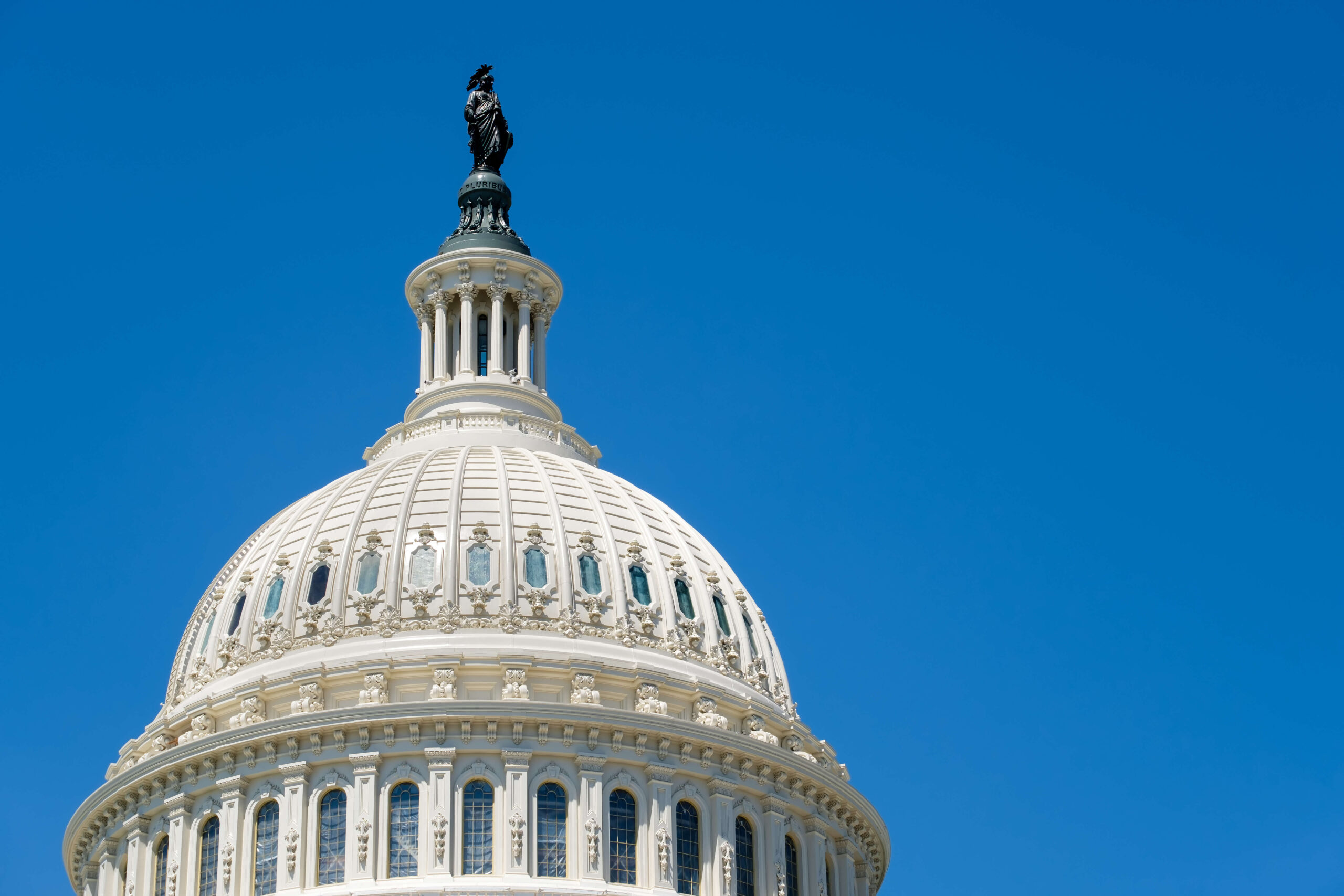
Vanderbilt鈥檚 Office of Federal Relations built on that training by organizing a full day of meetings on Capitol Hill for Vanderbilt students. They met with the offices of Sen. Bill Hagerty, R-Tenn., BA鈥�81, JD鈥�84, Rep. Chuck Fleischmann, R-Tenn., and Rep. Matt Van Epps, R-Tenn., as well as staff from the House Homeland Security Committee Cybersecurity and Infrastructure Protection Subcommittee and the Senate Appropriations Energy-Water Subcommittee.
In those meetings, students advocated for sustained federal investment in research, focusing on funding for the National Science Foundation, the National Institutes of Health and Department of Defense basic research programs. They shared how federal support has shaped their education and career paths and raised questions about funding levels for fiscal years 2026 and 2027.
鈥淭his visit gave us an opportunity to explain how funding basic scientific research聽is an investment in the future,鈥� said聽, a Ph.D. candidate in Biological Sciences.聽鈥淎s the next generation of scientists in training, it is our responsibility to learn the tools to communicate the goals of science and research effectively.鈥�
The conversations also gave students a clearer understanding of how policymaking differs across congressional offices and committees. In addition to discussing funding priorities, they explored how committee staff evaluate emerging technology issues and how scientific expertise informs those decisions. The experience provided insight into career paths in science policy as well.
鈥淭he workshop was invaluable to me as someone considering a career in policy after my PhD, exposing me to the wide variety of roles that exist within government related to science,鈥� said聽, a Ph.D. candidate in Physics.
"The advocacy we were able to do together and the relationships we formed reminded me that there is still much to be hopeful for in the future of science鈥攅specially if we work together,鈥� said聽, a Ph.D. candidate in the Interdisciplinary Graduate Program in the Biological and Biomedical Sciences.
Science policy opportunities at Vanderbilt
Vanderbilt鈥檚 Federal Relations team works in close partnership with the聽聽and the聽聽who select the students who聽participate聽each year.
For students and post-docs interested in exploring careers in science policy or advocacy, Vanderbilt鈥檚 Office of Federal Relations hosts a biennial聽Federal STEM Policy & Advocacy Seminar.聽Inspired by the AAAS CASE Workshop,聽this program聽offers content tailored to聽the 天美传媒官网 community. The next seminar is tentatively scheduled for fall 2026 in Washington, D.C.