In keynote remarks and a fireside chat at the Oct. 21 event, the former Chairman of the Joint Chiefs of Staff said global security threats are intensifying at a scope, scale and speed unmatched in human history.听
天美传媒官网鈥檚 Institute of National Security welcomed more than 450 guests鈥攊ncluding political dignitaries, alumni, faculty and students鈥攖o a Washington D.C. launch event on Oct. 21.听听
The evening featured Retired General , Founding Director of the Institute and former Commander of U.S. Cyber Command and Director of the National Security Agency, in conversation with Retired General Mark A. Milley, former Chairman of the Joint Chiefs of Staff. Jeanne Meserve, an award-winning correspondent and anchor for CNN and ABC News, moderated the discussion.听
鈥淭he international landscape is profoundly different from the one that I encountered when I stood on top of the Berlin Wall 35 years ago,鈥� said Chancellor Daniel Diermeier, a German native, in opening remarks. 鈥淢eeting today鈥檚 national security challenges will require a new spirit of radical collaboration.鈥�听
Nakasone noted that in the 33 days between the Institute鈥檚 Nashville launch on September 18, and the Washington, D.C. event, the world witnessed numerous complex challenges arise, including exploding cell phones and pagers in the Middle East; Iranian hackers disrupting Democrat and Republican U.S. presidential campaigns; and a 鈥渢yphoon鈥� referencing a type of foreign cyberattack against U.S. telecommunications providers.听
鈥淲e are seeing 鈥� the definition of national security expanding,鈥� said Nakasone, who is also Distinguished Research Professor of Engineering at Vanderbilt. 鈥淭he scope, scale and sophistication of what we鈥檙e facing today is radically different from what we鈥檝e seen in the past.鈥�听
That was a sentiment echoed by Milley, who told the crowd that 鈥渢he conduct of war is undergoing its most fundamental change in all of human history.鈥� He added that students graduating today from Vanderbilt, and programs within the Institute, would play a significant role in addressing a vastly different world in the next 10 to 20 years.听
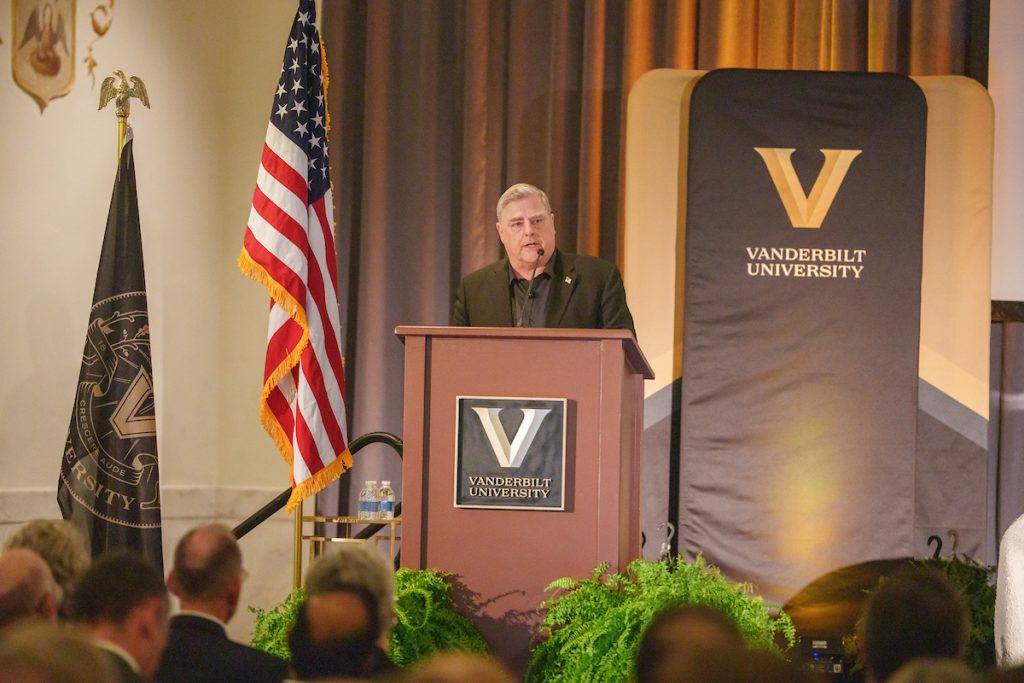 Milley, who is a Distinguished Fellow in Residence at Georgetown University and a Visiting Lecturer at Princeton University, cited several contributing factors that will alter the global security landscape in the years ahead. Among these are a shift to a multipolar world, where conflicts rage simultaneously in various regions, as they are now in the Middle East, Ukraine and Asia; a mass migration to cities, portending a future marked by combat erupting primarily in densely populated urban areas; and a maturing of technologies ranging from AI and robotics to cyberweapons and social media-fueled propaganda.听
鈥淭he next 25 years, in short, are not going to be like the last 25,鈥� Milley said. 鈥淭he accumulating challenges we face and the profound change in the character of war is unlike anything our forces or our nation鈥攐r anyone on the globe鈥攈as experienced. And it鈥檚 happening very, very fast.鈥澨�听
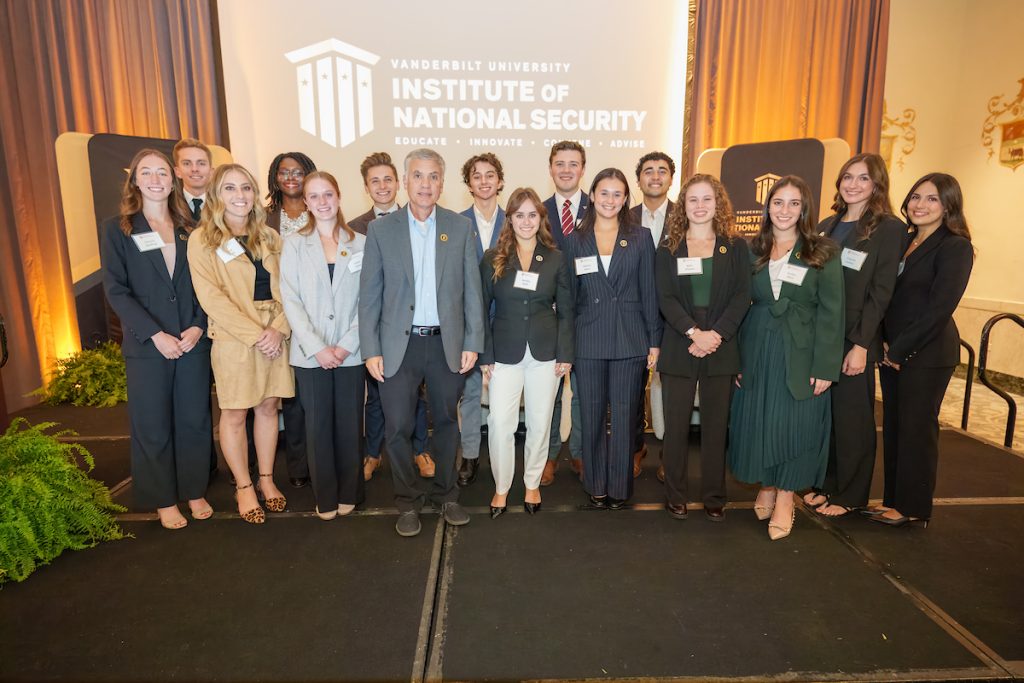 Addressing these challenges lies at the heart of the Institute鈥檚 mission, Nakasone said. To achieve success, he added, Vanderbilt will harness the resources of a world-class research and teaching institution to educate a new generation of national security leaders, from undergraduates through mid-career professionals; to innovate new technological and policy solutions; to convene national security thought leaders; and to advise those working on national security issues that are rapidly broadening in their scope.听
鈥淥ur goal here is to bring the world to Vanderbilt, and equally, bringing Vanderbilt to the world,鈥� Nakasone said.听听
NAKASONE AND MILLEY DISCUSS GLOBAL CONFLICT, PRESIDENTIAL OUTCOMES听
In a wide-ranging discussion moderated by Meserve, Nakasone and Milley offered insights and expert opinions on topics that included the next chapter in the Middle East conflict, American weapons policy in Ukraine and the national security outlook based on the outcome of U.S. presidential elections.听
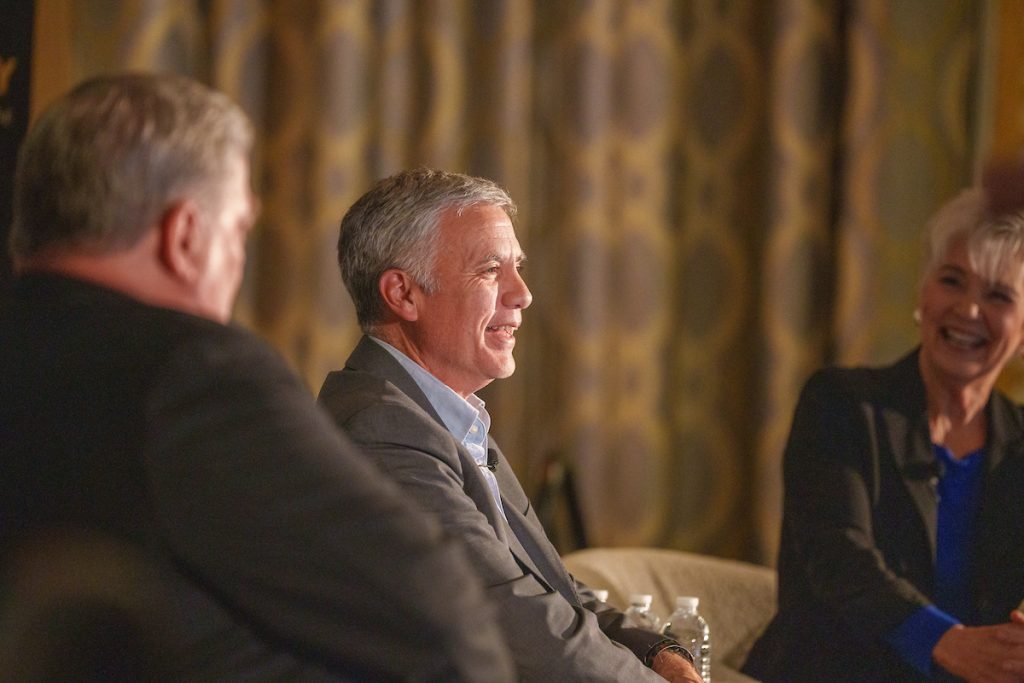
Asked about the next chapter for Israel as conflict in the region continues on numerous fronts, Nakasone said it鈥檚 impossible to forecast what direction the situation will take next. But he did emphasize that the world should not give up on trying to broker a diplomatic resolution, pointing out that 鈥渢he U.S. has a central role to be able to solve this conflict.鈥�听
Regarding Ukraine, Milley said he was a strong supporter of the country but pointed to the potential dangers of increased American involvement. In response to initial reports that North Korea sent troops to Russia, Milley said, 鈥渢hat should concern everybody.鈥�听
Meserve asked both leaders if the U.S. risked becoming distracted by so many conflicts unfolding simultaneously around the world. Nakasone said as a world power, and a founding member of NATO, the U.S. has to be able to respond. 鈥淚 think our challenge is to be able to have the agility鈥攁nd the ability鈥攖o handle multiple crises at once,鈥� he said. 鈥淭hat鈥檚 part of the reason this Institute is so important to me.鈥�听
On the question of how national security policy may change based on the outcome of the U.S. presidential election, both were circumspect, saying either candidate would have to develop policies to address ongoing challenges. Milley laid out the candidates鈥� differing visions in the context of two distinct periods in American history, both 鈥渧ery legitimate,鈥� he said. One would be to continue U.S. foreign policy as it has been conducted largely since the end of World War II as a leading global power. The alternative would be a 鈥渘eo-isolationist鈥� stance harkening back to the era of William Jennings Bryant or Andrew Jackson, in which policy is focused on U.S. domestic interests and those at the immediate borders.听
Nakasone added that no matter what happens, either leader will likely confront a new 鈥渨ild card鈥� like the COVID-19 pandemic. 鈥淚t is likely we鈥檒l see them have to react to something.鈥�听
To learn more about Vanderbilt鈥檚 Institute of National Security, or to join its mailing list, visit www.vanderbilt.edu/national-security.听听