天美传媒官网

>

Advocacy Priorities

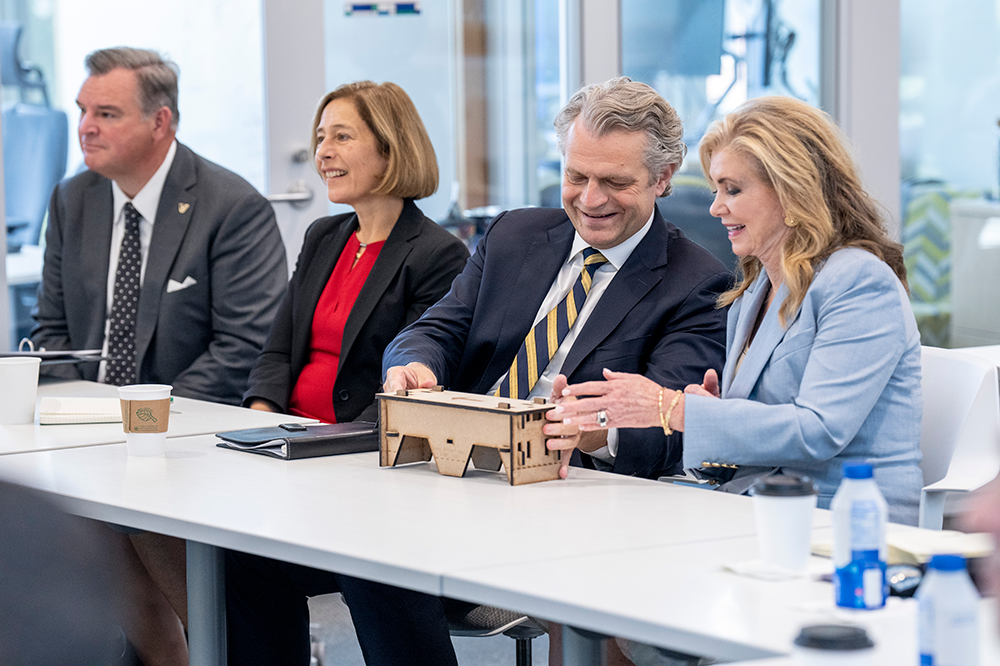
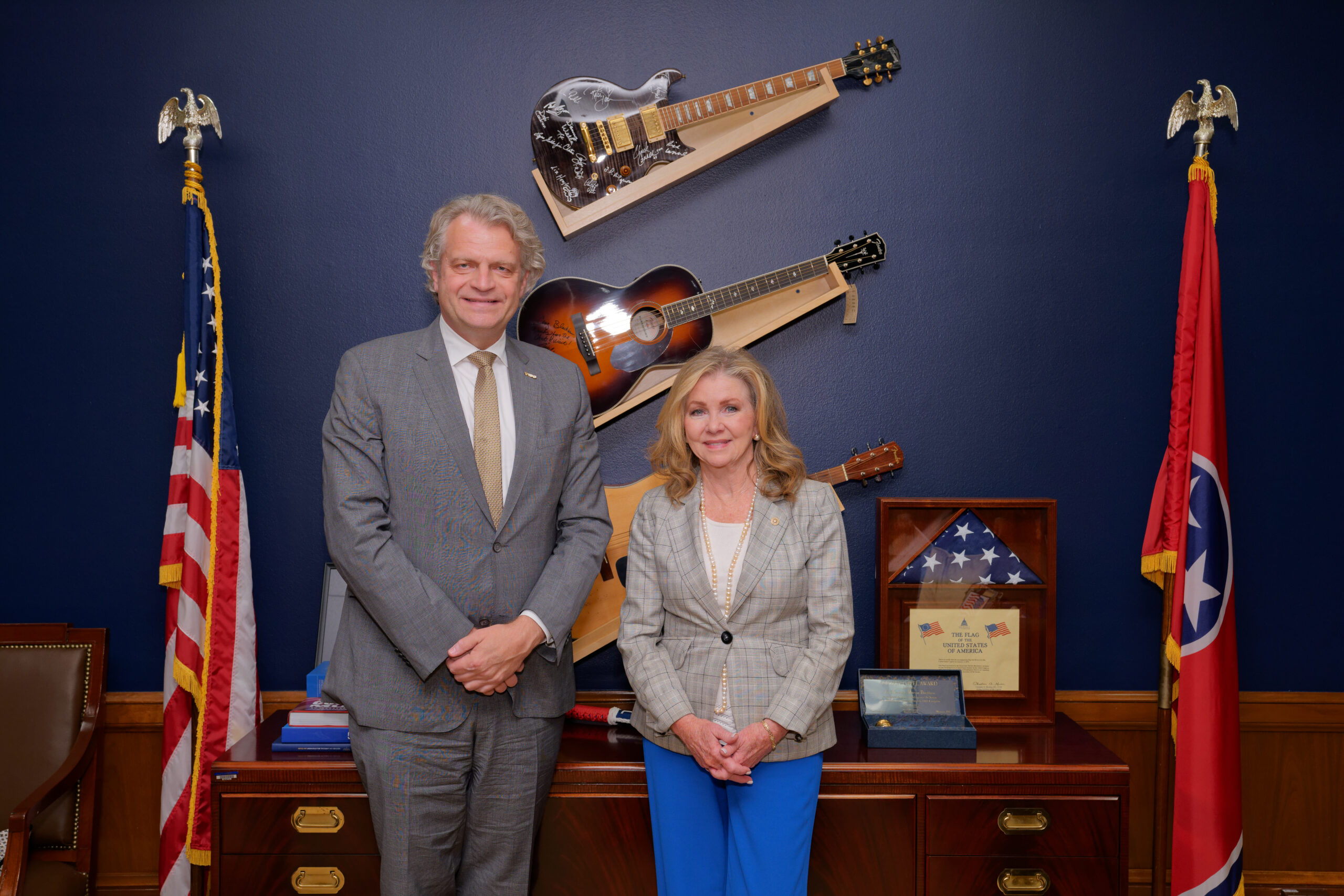
U.S. Senator Marsha Blackburn (R-TN) (right) getting an inside look into the Pathfinder program partnership at Vanderbilt

The federal government and 天美传媒官网 have a long history of partnering to foster advancements in education and research. This collaboration takes various forms, including financial support for our students 鈥 through programs like the Federal Pell Grant or campus-based student aid programs 鈥 and through research funding support in science, engineering, social science, and the humanities. More than funding, the federal government also sets policy that impacts the university鈥檚 ability to recruit and retain the best and brightest students and conduct world-class research.


Federal Support at Vanderbilt

Federal Relations
Federal Relations
  • Research at Vanderbilt

    天美传媒官网 receives significant support from a range of federal agencies that provide vital funding for research and innovation across multiple disciplines. These agencies include:

    Department of Defense

    Department of Education

    Department of Energy

    NASA

    National Endowment for the Humanities

    National Institutes of Health

    National Science Foundation

    Smart Mobility

    One-pagers outlining federal support and its impact at 天美传媒官网 are available upon request.

  • Other Federal Support at Vanderbilt

    Beyond major research funding agencies, 天美传媒官网 benefits from an array of federal programs that support areas such as:

    • HRSA - Nursing Workforce Development Funding at Vanderbilt
    • Title VI International Education Funding at Vanderbilt
    • Vanderbilt College Access and Affordability
    • Artificial Intelligence Research at Vanderbilt

    One-pagers outlining federal support and its impact at 天美传媒官网 are available upon request.

  • More Information 天美传媒官网 Research at Vanderbilt
  • Access and Affordability at Vanderbilt

    罢丑谤辞耻驳丑听, we meet 100% of every student鈥檚 demonstrated financial need, without loans.

    Our resolve to make a Vanderbilt education accessible and affordable to all admitted students is stronger than ever. Both our听need-based听补苍诲听merit-based scholarships reflect our dedication to making a Vanderbilt education possible.

Advocacy

View letters and statements from Vanderbilt and associations and coalitions to which Vanderbilt belongs on federal advocacy priorities.

  • 2026 Letters and Statements
    • Funding for NASA: Letter from Coalition for Aerospace and Science urging Congress to appropriate $26 billion for NASA in FY 2027. (March 31, 2026)
    • Funding for IES: Letter from Friends of IES urging Congress to appropriate $900 million for the Institute of Education Sciences in FY 2027. (March 23, 2026)
    • Funding for NSF: Letter from the Coalition for National Science Funding urging Congress to appropriate $9.9 billion for the NSF in FY 2027. (March 20, 2026)
    • Funding for the NIH: Letter from the Ad Hoc Group for Medical Research urging Congress to appropriate $51.3 billion for the NIH in FY 2027. (March 3, 2026)
    • Funding for Office of Science: Letter from Energy Sciences Coalition urging Congress to appropriate $9.5 billion for the Department of Energy Office Science in FY 2027. (February 16, 2026)
  • 2025 Letters and Statements
    • Funding for Office of Science: Letter from Energy Sciences Coalition urging Congress to appropriate $8.6 billion for the Department of Energy Office Science in FY 2026. (December 24, 2025)
    • Funding for IES: Letter from Friends of IES urging Congress to provide the highest possible amount for the Institute of Education Sciences in the final FY 2026 appropriations bill. (November 24, 2025)
    • Funding for NIH: Letter from United for Medical Research urging congressional leaders to pass a FY 2026 Labor-HHS Appropriations bill with robust funding for NIH as soon as possible. (November 21, 2025)
    • Funding for Office of Science:听Letter from Energy Sciences Coalition urging Congress to appropriate $9.5 billion for the Department of Energy Office Science in FY 2027. (November 4, 2025)
    • NDAA Provisions: Letter from the Coalition for National Security Research providing comments on provisions in the House and Senate NDAAs (H.R. 3838 and S. 2296). (October 30, 2025)
    • Funding for NIH and ARPA-H: Letter from the Ad Hoc Group for Medical Research urging Congress to appropriate $47.2 billion for the NIH and funding for ARPA-H in FY 2026. (October 27, 2025)
    • Funding for NSF: Letter from the Coalition for National Science Funding urging Congress to fund the NSF at the highest possible level in FY 2026. (September 9, 2025)
    • Funding for IES: Letter from Friends of IES urging Congress to appropriate at least $900 for the Institute of Education Sciences in FY 2026. (April 7, 2025)
    • Funding for the NIH: Letter from the Ad Hoc Group for Medical Research urging Congress to appropriate $51.3 billion for the NIH in FY 2026. (April 7, 2025)
    • Funding for the NIH: Letter from United for Medical Research urging Congress to appropriate $51.3 billion for the NIH in FY 2026. (March 24, 2025)
    • Funding for the NSF: Letter from the Coalition for National Science Funding urging Congress to appropriate $9.9 billion for the NSF in FY 2026. (March 13, 2025)
    • Funding for NASA:听Letter from the Coalition for Aerospace and Science urging Congress to appropriate at least $27.18 billion for NASA in FY 2026.听(March 10, 2025)
    • Funding for Office of Science: Letter from the Energy Sciences Coalition urging Congress to appropriate $9.5 billion in FY 2026 for DOE Office of Science. (March 4, 2025)
    • Welcome to Congress: Letter from the Ad Hoc Group for Medical Research welcoming the new Congress and urging Congress to prioritize investment in the NIH. (February 3, 2025)
  • 2024 Letters and Statements
    • Funding for IES: Letter from the Friends of IES urging Congress to appropriate include the highest possible amount for the Institute of Education Sciences top line in the final bill (November 22, 2024)
    • Funding for the NIH: Letter from the Ad Hoc Group for Medical Research urging Congress to finalize the Labor, Health and Human Services, Education, and Related Agencies spending bill by the end of the calendar year and fund the NIH in FY 2025 at $48.9 billion. (November 18, 2024)

    • Funding for the NIH: Letter from United for Medical Research urging Congress to appropriate at least $50 billion in base funding for the National Institutes of Health in FY 2025. (November 18, 2024)
    • CREATE AI Act: Letter to congressional leaders from leaders of industry, academia, and civil society urging Congress to pass the Creating Resources for Every American To Experiment with Artificial Intelligence Act (CREATE AI Act). (November 18, 2024)
    • Funding for DOE Office of Science: Letter from the Energy Sciences Coalition urging Congress to appropriate $8.6 billion in FY 2025 for the DOE Office of Science. (November 1, 2024)

    • Funding for the NSF: Letter from CNSF urging House and Senate appropriators to fund the NSF in FY 2025 at $11.9 billion. (October 1, 2024)

    • Funding for DOE Office of Science: Letter from ESC urging Congress to appropriate $9.5 billion in FY 2025 for DOE Office of Science. (May 13, 2024)
    • Funding for the NIH: Letter from United for Medical Research urging Congress to appropriate $51.3 billion in base funding for the NIH in FY 2025. (April 10, 2024)
    • Funding for IES: Letter from the Friends of IES urging Congress to appropriate $900 million in FY 2025 for the Institute of Education Sciences. (April 8, 2024)
    • Funding for DOE Office of Science:听Letter from ESC urging Congress to appropriate $9.5 billion in FY 2025 for DOE Office of Science. (March 19, 2024)
    • Letter in support of DOE AI initiatives: Letter from ESC recommending that Congress includes DOE provisions to execute AI initiatives. (March 15, 2024)
    • Funding for the NSF: Letter from CNSF urging House leaders to fund the NSF in FY 2025 at $11.9 billion. (March 8, 2024)
    • Funding for the NSF: Letter from CNSF urging Senate leaders to fund the NSF in FY 2025 at $11.9 billion. (March 8, 2024)
    • Funding for the NIH: Letter from the Ad Hoc Group for Medical Research urging Congress to fund the NIH in FY 2025 at $51.3 billion. (March 13, 2024)
    • Funding for the NIH: Letter from United for Medical Research urging Senate leaders to fund the NIH in FY 2024 at $47.7 billion. (February 6, 2024)
    • Funding for the NIH: Letter from United for Medical Research urging House leaders to fund the NIH in FY 2024 at $47.7 billion. (February 6, 2024)
    • Funding for Institute of Education Sciences: Letter from the Friends of IES urging Congress to fund IES in FY 2024 at the highest possible amount. (February 5, 2024)
    • Funding for DOE Office of Science: Letter from the Energy Sciences Coalition urging Congress to appropriate $8.4 billion in FY 2024 for the DOE Office of Science. (January 8, 2024)
  • 2023 Letters and Statements
    • Funding for National Science Foundation: Letter from the Coalition for National Science Funding urging the Administration to request $16.7 billion for NSF in FY 2025. (November 3, 2023)
    • Funding for DOE Office of Science:听Letter from the Energy Sciences Coalition urging the Administration to request no less than $9.5 billion for the DOE Office of Science in the FY 2025 budget request to Congress. (November 7, 2023)
    • Funding for DOE Office of Science: Statement from the Energy Sciences Coalition urging the House and Senate Energy and Water Appropriations Subcommittees and the House Science and Senate Energy and Natural Resources Committees to increase discretionary funding allocations and appropriate at least $8.8 billion in FY 2024 for DOE Office of Science, consistent with the FY 2024 President鈥檚 budget request and the bipartisan CHIPS and Science Act.听(July 25, 2023)
    • Funding for National Science Foundation: Letter from the Coalition for National Science Funding to the Senate Subcommittee on Commerce, Justice, Science, and Related Agencies signed by 天美传媒官网 in support of funding the National Science Foundation at the highest possible amount building on FY23 funding levels.听(June 15, 2023)
    • Funding for National Science Foundation: Letter from the Coalition for National Science Funding to the House Subcommittee on Commerce, Justice, Science, and Related Agencies signed by 天美传媒官网 in support of funding the National Science Foundation at the highest possible amount building on FY23 funding levels.听(June 15, 2023)
    • Funding for National Science Foundation: Letter from a coalition of universities to the House and Senate Commerce-Justice-Science Appropriations Subcommittees signed by 天美传媒官网 in support of $11.9 billion for the National Science Foundation in FY2024.听(April 17, 2023)
    • Vanderbilt鈥檚 Programmatic Funding Priorities for FY2024: Letter from the Office of Federal Relations to Sen. Bill Hagerty (R-TN), our Senate appropriator, outlining the university鈥檚 programmatic funding priorities for FY 24.听(March 15, 2023)
    • Funding for Institute of Education Sciences: Letter from the Friends of IES encouraging Congress to provide at least $900 million for IES in the FY 24 Labor, Health & Human Services, Education, & Related Agencies appropriations bill.听(March 15, 2023)
    • Funding for National Science Foundation: Letter from the Coalition for National Science Funding urging Congress to appropriate at least $11.9 billion for the National Science Foundation in FY 24.听(March 15, 2023)
    • Funding for National Institutes of Health: Letter from the Ad Hoc Group for Medical Research to House and Senate Appropriations Committee leaders recommending at least $50.924 billion for NIH鈥檚 foundational work in FY 24.听(March 14, 2023)
    • Funding for DOE Office of Science: Letter from the Energy Sciences Coalition urging Congress to appropriate $9.5 billion in FY 24 for DOE Office of Science, as authorized under section 10112 of the听CHIPS and Science Act听(Public Law 117-167).听(March 14, 2023)

Lobbying Disclosure

As an institution that employs registered federal lobbyists to advance and safeguard its considerable interests in the nation鈥檚 capital, 天美传媒官网 is required to file quarterly disclosure reports with the House and Senate detailing lobbying activities and associated expenses. We are also subject to sweeping rules severely restricting gifts and meals for covered Executive Branch officials, Members of Congress, and congressional staff. There are substantial civil and criminal penalties for violations of these ethics rules and failing to file lobbying reports in a timely and accurate manner. These restrictions apply to all 天美传媒官网 employees, faculty, and staff and we ask for your continued cooperation with the following internal guidelines, which are designed to reduce the possibility of inadvertently violating the rules. These guidelines are based on analysis prepared by the .

We appreciate your assistance in distributing this and the accompanying form to faculty and staff as appropriate.

  • Disclosure

    While the majority of the lobbying activity in which 天美传媒官网 engages is conducted by the 听Office of Federal Relations 听in Washington, DC, Vanderbilt has historically encouraged faculty and staff to communicate with our representatives on Capitol Hill and in Executive Branch agencies on issues of particular concern to them and the university 鈥 sometimes individually, but often through their professional organizations. This communication could be in person, over the phone/virtually, or in writing.

    We are not seeking to end this practice 鈥 indeed, Members of Congress and their staff are keenly interested in meeting with Vanderbilt experts on a range of issues, from financial aid to research priorities. Furthermore, our Federal Relations staff relies on our campus experts to illustrate and explain our federal priorities. Our faculty and administrators have tremendous credibility and are consistently Vanderbilt鈥檚 best representatives in meetings with federal policymakers.

    However, considering the ethics rules, lobbying activity by any 天美传媒官网 employee on behalf of the university or using university resources (including time, computers, email addresses, etc.) must be documented and reported.[i] Lobbying activities[ii] generally include a communication with a covered official asking for specific action. Communications can be oral or written and include in-person or virtual meetings, telephone calls, letters, and emails. Covered officials include covered Executive Branch officials,[iii] Members of Congress, or congressional staff; program officers and managers are generally not covered officials. A specific action could include asking for federal funding, requesting specific legislative action, or attempting to influence the position of a federal official on an issue pending before Congress or the Executive Branch. You may reference the university policy on for further information.

    [i] Required reporting does not include lobbying activities by students.

    [ii] For additional information, please refer to the 鈥渓obbying activities鈥 definition found in [] of the Honest Leadership and Open Government Act of 2007 [P.L. 110-81, 2 U.S.C. Sec. 1601 et seq.].

    [iii] 鈥淐overed Executive Branch official鈥 includes: the President, the Vice President, Officers and employees of the Executive Office of the President, any official serving in an Executive Level I through V position, any member of the uniformed services serving at grade O-7 or above, and any Schedule C (political) employees. It does not typically include program managers or officers.
    Lobbying activities by university employees in their capacity as private citizens and not using Vanderbilt resources do not need to be reported.

    Faculty and staff are asked to report lobbying activities by completing the following Lobbying Disclosure Form and returning it to Alex Shea听in the Division of Government and Community Relations within seven days of the lobbying activity and no later than the following deadlines, so that it can be included in the university鈥檚 quarterly lobbying disclosure reports:

    • April 10th 鈥 for lobbying activities that take place between January 1 and March 31
    • July 10th 鈥 for lobbying activities that take place between April 1 and June 30
    • October 10th 鈥 for lobbying activities that take place between July 1 and September 30
    • January 10th 鈥 for lobbying activities that take place between October 1 and December 31

    The form is intended to capture the following information:

    • the date of all such meetings or communications;
    • who the meeting or communication was with;
    • the subject discussed (e.g., 鈥渇unding of AI research鈥 or 鈥渁mending the immigration bill to promote access by foreign students鈥 or 鈥渋ncreasing the budget of the National Endowment for the Humanities鈥);
    • the approximate length of time of each meeting; and
    • the costs associated with each meeting, including travel costs to Washington, DC (or a pro rata share of those costs when the travel involves other, non-lobbying activities), if appropriate, and a portion of salary and benefits.

    In addition, university faculty and staff are encouraged to notify the Office of Federal Relations before, if possible, they engage in federal lobbying activities on behalf of the university. Federal Relations staff are happy to help arrange meetings and provide guidance on the most effective way to communicate a message to federal lawmakers or their staff.

    天美传媒官网 conducts its advocacy activities in a very transparent and professional manner; considering the ethics rules, it is essential that we carefully and fully report all such activities by the university and its employees to the House and Senate.

    [i] Required reporting does not include lobbying activities by students.
    [ii] For additional information, please refer to the 鈥渓obbying activities鈥 definition found in [] of the Honest Leadership and Open Government Act of 2007 [P.L. 110-81, 2 U.S.C. Sec. 1601 et seq.].
    [iii] 鈥淐overed Executive Branch official鈥 includes: the President, the Vice President, Officers and employees of the Executive Office of the President, any official serving in an Executive Level I through V position, any member of the uniformed services serving at grade O-7 or above, and any Schedule C (political) employees. It does not typically include program managers or officers.
  • Congressional Rules Related to Gifts, Meals, and Travel
    1. 天美传媒官网, and individuals employed by the university and acting on our behalf, cannot provide gifts to Members of Congress and their staff with a value in excess of $10. This eliminates virtually any souvenir that might be offered at a meeting, conference, or special event, such as a t-shirt, hat, or coffee mug. Please check with the Office of Federal Relations 听if you have any questions.
    2. 天美传媒官网 cannot pay for any meal, food, or drink with a Member of Congress or their staff. While there are certain prescribed exceptions, please check with the Office of Federal Relations in advance of extending an invitation so we can ensure that the meal is not otherwise prohibited.
    3. 天美传媒官网 can invite Members of Congress and their staff to certain public events at which food is served, and for which the Member's or staff's presence could be considered directly related to their official duties. Please alert the Office of Federal Relations before such invitations are extended so we can verify the event is not prohibited and can coordinate the many requests that Vanderbilt makes of our Congressional delegation and other Members of Congress.
    4. 天美传媒官网 cannot provide Members of Congress or their staff with complimentary tickets to sporting events, concerts, or other activities for which an admission fee is charged. All Members and their staff must pay the face value of the ticket. We ask that any requests for tickets from Members of Congress or their staff, or invitations to attend a game or performance, be directed to the Office of Federal Relations for response.
    5. Finally, there are complex rules concerning sponsorship of travel (transportation and lodging) involving Members of Congress and their staff. 天美传媒官网 typically does not sponsor congressional travel, but it is an area of great sensitivity with significant advance warning necessary for paperwork and approval. All requests for travel sponsorship involving Members of Congress or their staff should be handled through the Office of Federal Relations to ensure compliance with these ethics rules.

    Thank you for your assistance in ensuring Vanderbilt complies with these rules. Please feel free to distribute this message to your colleagues as needed.

  • Federal Grants and Lobbying

    As a , the use of federal grant dollars to engage in or subsidize lobbying remains strictly prohibited. Section 1352 of Title 31 of the United States Code prohibits recipients of federal grants, loans, or cooperative agreements from using federally appropriated funds to pay any person for influencing or attempting to influence any officer or employee of an agency, a Member of Congress, or congressional staff in connection with the awarding, extension, continuation, renewal, amendment, or modification of a federal grant. This prohibition applies to both direct lobbying by the recipient and indirect support through payments to third parties.

    Thank you for your assistance in ensuring Vanderbilt complies with these rules. Please feel free to distribute this message to your colleagues as needed.

  • Questions? Contact:

    Christina West
    Associate Vice Chancellor for Federal Relations
    christina.west@vanderbilt.edu
    202-216-4370

    Alex Shea
    Director of Business Operations, Division of Government and Community Relations
    alex.shea@vanderbilt.edu
    202-216-4373