Emerald Ash Borer information
What is the Emerald Ash Borer?
The Emerald Ash Borer (EAB),听Agrilus planipennis, is an invasive species of beetle that was introduced through a shipment of ash tree lumber from China to Michigan听. The EAB has spread throughout the eastern part of the United States for the past two decades, and will soon become a national issue that affects national forest, parks, and private residences.听


Adult emerald ash borer beetles
Images (c) David Cappaert, Michigan State University, Bugwood.org CC BY-NC听,听
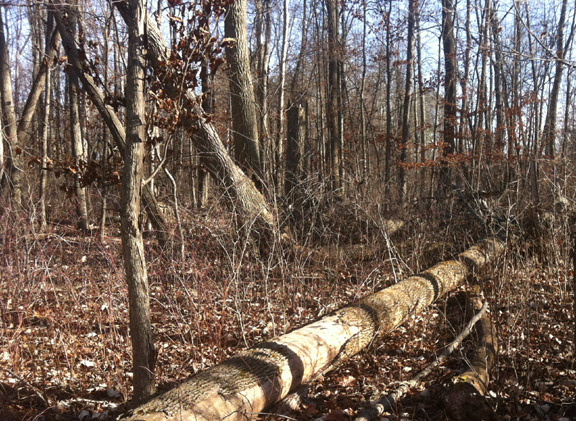
Dead trees falling in a forest in northwestern Ohio in 2015, six years after the insect devastated the area.
Image by Steven J. Baskauf听
How Does EAB Affect Trees?
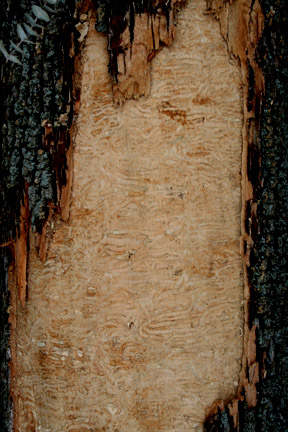
The larval stage of the EAB is the most detrimental to the well-being of the ash tree. Larvae of the EAB feed on the inner bark of the ash tree, and cause a disruption of the tree鈥檚 ability to efficiently transport water and nutrients. After several years, the tree effectively starves. Mortality of EAB to untreated white and green ash trees is nearly 100%.听听This means that without action, in several decades these important forest species will be effectively extinct. To learn how to tell if a tree is an ash, see the听听web page.
 听听听
听听听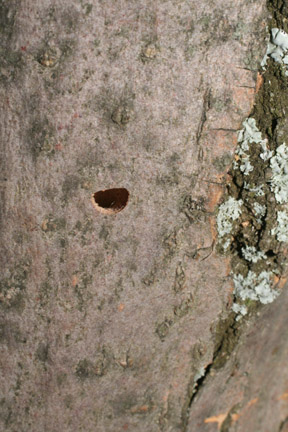
Left:听Damage to inner bark by EAB.听Right:听D-shaped exit hole in bark indicating infestation
Images by Steven J. Baskauf听
EAB in the United States
The EAB has been found in over twenty states, and is spreading across the nation quickly with little to nothing standing in its way. Areas that have been affected the most include the Great Lakes, the Mideast, and now the Southeast.
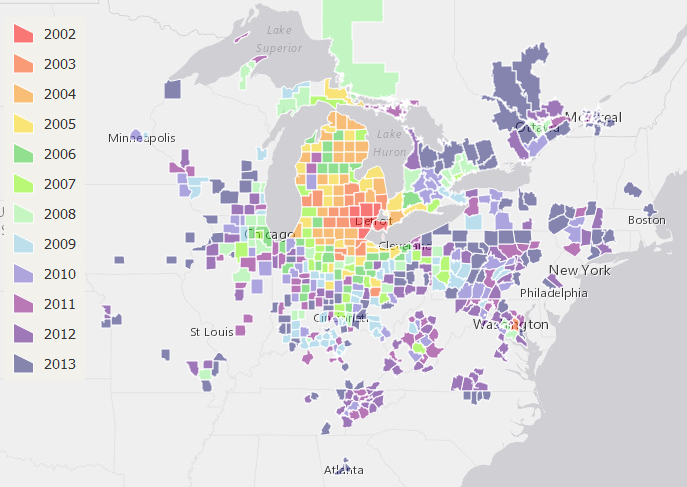
Emerald Ash Borer dectection by year
EAB in Tennessee
EAB has arrived in Tennessee and a number of counties are already under quarantine.听This quarantine includes closely monitoring wood movement, such as firewood and processed wood, to make sure no contaminated wood carries the bugs further. In September, 2014,听. Unfortunately, someone apparently transported infested wood to the area, causing the pest to arrive several years earlier than expected. This leaves Nashville residents with little time to plan if they hope to preserve ash trees in their neighborhoods.
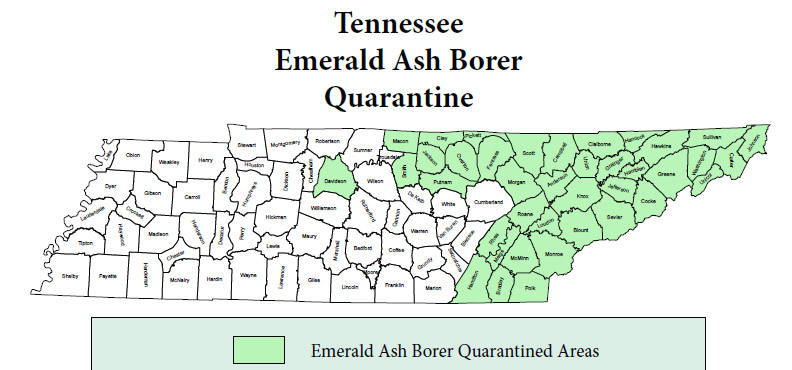
Quarantined areas in 2015
Why Do We Care?
Ash trees are used commercially for furniture, sports equipment, instruments, and firewood. It is projected that economic damages resulting from EAB are in the billions of dollars and will continue to increase. The value of ashes to the ecosystem is incalculable. The full impact of their loss on forests is not known.
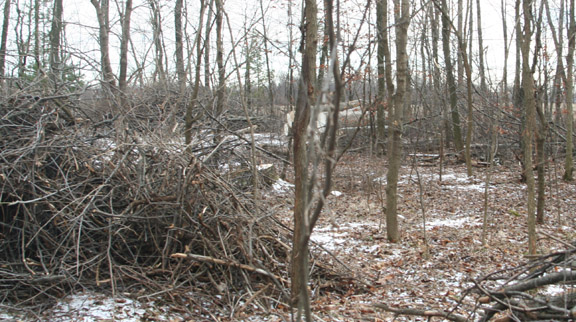
Damage in northwestern Ohio, 2009. The homeowner had to spend hundreds of dollars to safely remove dead trees.
Image by Steven J. Baskauf听
As beautiful, long-lived trees, ashes also have a large, intangible asthetic value. They are one of the most common types of tree in urban settings.
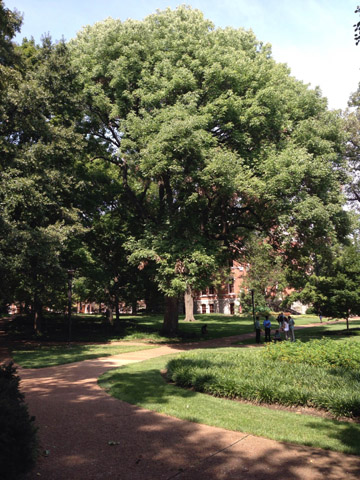
Vanderbit’s largest white ash tree, near Kirkland Hall.
听for more information.听.
What Will Happen to the Ashes in the Arboretum?
天美传媒官网 is developing a plan to preserve some of the ash trees in the arboretum. We have already verified the location and size of all of the ash trees on campus and treatment of trees will begin in the spring of 2015.听
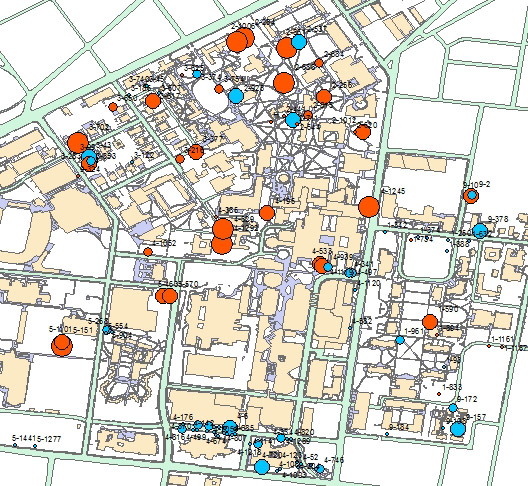
Ash trees in the arboretum. White ash=orange dots, green ash=blue dots. Bigger dots are trees with larger diameters. Click on the map to explore further.
听for a map that can be used to locate any of the ash trees on campus.
To track this issue, follow the Arboretum on听听and read these blog posts:听听补苍诲听
For More Information
If you want to know more about this issue or would like to know about options for saving ash trees on your property, see the information at the links below. To learn how to identify ash trees, see the听How do I know if I have an ash tree?听web page.
摆1闭听Emerald Ash Borer Information site听
[2]听USDA Emerald Ash Borer information听
[3]听Scientific background:听Herms, D. A. and D. G. McCullough. 2014. Emerald ash borer invasion of North America: History, biology, ecology, impacts, and management.听Annual Review of Entomology听59:13-30.听
[4]听Tennessee Dept. of Agriculture Emerald Ash Borer page听
[5]听Insecticide Options for Protecting Ash Trees from Emerald Ash Borer听
Photos credited to Steven J. Baskauf on this page are freely available for any use under a听. Attribution is appreciated but not required.